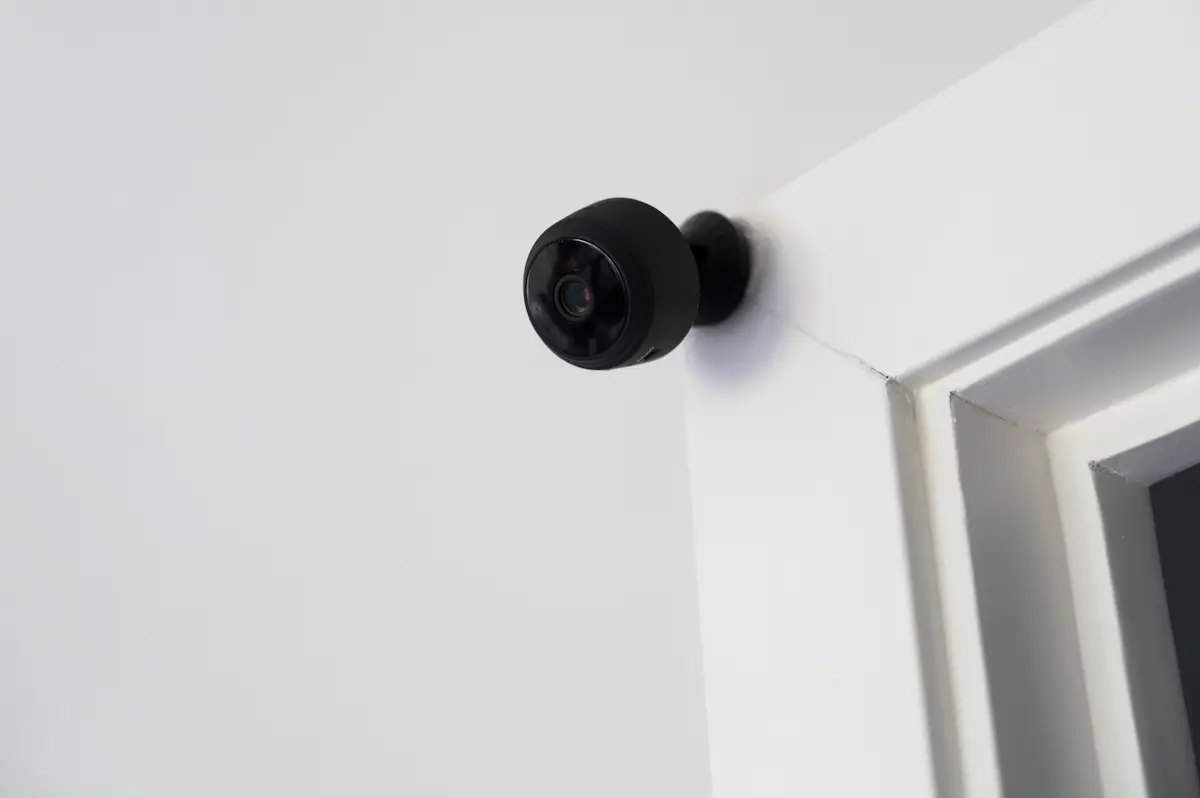

The evolution of home security has increasingly shifted toward digital solutions. Software designed for monitoring, automation and threat detection now plays a central role in protecting residential spaces. These tools integrate with smart devices, creating systems that are both responsive and adaptable.
Online platforms have made access to such software more convenient, allowing users to purchase, download and configure security systems without the need for physical installation. This accessibility has expanded the adoption of digital home protection.
Modern security software goes beyond traditional surveillance. It includes features such as real-time alerts, remote access and data analysis, enabling users to maintain control over their environment from virtually anywhere.
Understanding the types of software available helps in selecting solutions that align with specific security needs and technological setups.
Secure platforms and trusted software sources
When evaluating platforms and asking questions like is gvgmall safe to buy Windows key, users are also considering the reliability of the source. Security software must be obtained from trustworthy providers to ensure integrity and proper functionality.
Reliable platforms offer verified licenses, secure payment methods and clear product information. These elements reduce the risk of compromised or ineffective software.
Trust in the source directly impacts the effectiveness of the security solution itself.
System compatibility and performance integration
Understanding how to buy Windows 11 Pro key cheap often involves ensuring compatibility between the operating system and security software. A stable system foundation is essential for optimal performance.
Security applications rely on system-level integration to monitor processes, detect anomalies and respond to threats. Incompatibility can reduce effectiveness or create vulnerabilities.
Choosing software that aligns with the system environment ensures smoother operation and better protection.
Performance and compatibility are closely interconnected in digital security.
Installation, activation and configuration
Accessing resources such as a gvgmall Windows 11 Pro activation guide highlights the importance of proper installation and activation. Security software must be correctly configured to function as intended.
Activation ensures access to updates and full feature sets, which are critical for maintaining protection against evolving threats.
Configuration allows users to tailor settings according to their environment, such as alert preferences and monitoring zones.
Cloud-based monitoring and remote access
Solutions similar to a cheap Office 365 license key legit demonstrate the broader shift toward cloud-based systems. In home security, cloud integration enables remote monitoring and data storage.
Users can access live feeds, receive alerts and manage settings from mobile devices or web interfaces. This flexibility enhances control and responsiveness.
Cloud systems also support scalability, allowing additional devices and features to be integrated بسهولة.
This approach transforms security into a continuous, connected process.
User experience and reliability of solutions
Insights drawn from gvgmall reviews and user experience emphasize the importance of reliability and usability in security software. A system that is difficult to use may reduce its effectiveness.
Intuitive interfaces, consistent performance and minimal false alerts contribute to a positive user experience. These factors encourage regular use and proper system management.
Reliability is particularly critical in security contexts, where system failure can have significant consequences.
Future trends in residential digital security
The future of home security software points toward increased automation and integration with artificial intelligence. Systems are becoming more capable of identifying patterns and responding proactively to potential threats.
Smart home ecosystems will continue to expand, with security software acting as a central component that connects devices and manages data flows.
At the same time, concerns around privacy and data protection will shape how these technologies are developed and implemented.
The ongoing evolution of digital security reflects a broader shift toward connected, intelligent living environments where software plays a defining role.